
Understanding Cervical Cancer and Massage
Published Date: 1st April 2025
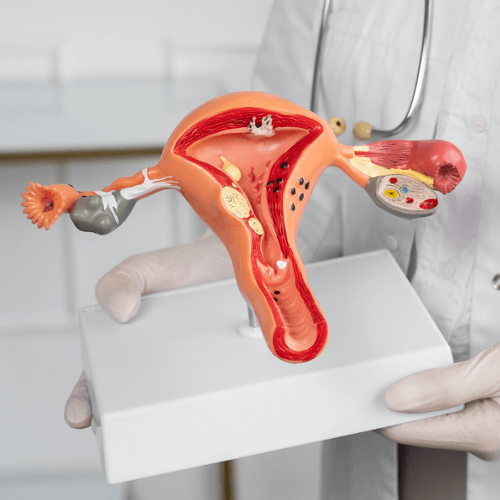
Cervical cancer is a type of cancer that develops in the cervix, which is the lower part of the uterus. It is often caused by persistent infection with high-risk types of human papillomavirus (HPV). Early detection through regular screenings, such as Pap tests and HPV tests, can significantly improve treatment outcomes. Symptoms may include abnormal bleeding, pelvic pain, and unusual discharge, though early stages may show no signs.
Massage therapy is often used as a complementary treatment for individuals with cancer, including cervical cancer. It can help reduce stress, alleviate pain, and improve overall well-being.
However, it is important to consult with a healthcare provider before receiving massage, especially during active treatment. Certain techniques or pressure levels may need to be adjusted to ensure safety and comfort.
Massage may offer several benefits for those undergoing cervical cancer treatment. It can help manage side effects such as fatigue, anxiety, and muscle tension. Gentle massage techniques may also promote relaxation and improve sleep quality. Additionally, massage can provide emotional support by fostering a sense of connection and care during a challenging time.
While massage can be beneficial, certain precautions must be taken for cervical cancer patients. Avoid deep tissue massage or intense pressure near the abdomen or pelvic area. Always seek a licensed massage therapist with experience in oncology massage. Patients with low blood counts, fragile skin, or active infections should discuss risks with their medical team before proceeding.
Cervical cancer requires medical treatment, but complementary therapies like massage can enhance quality of life. By understanding the benefits and limitations, patients can make informed decisions about incorporating massage into their care plan. Always prioritize professional guidance to ensure safety and effectiveness.